
Mineral insulated thermocouples vs. resistance thermometers
The difference explained briefly and clearly
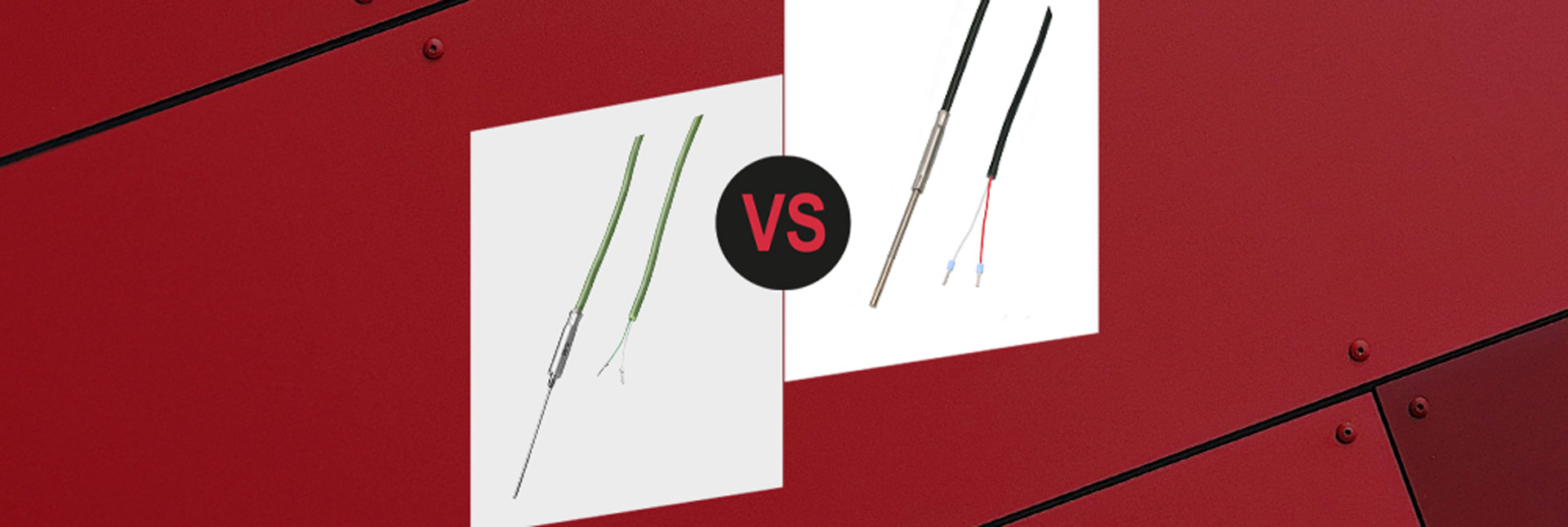
When selecting the right temperature sensor, users are often faced with the question: Mineral insulated thermocouples (MIT) or sheathed resistance thermometer (MRT)? At first glance, both designs look similar—a thin, flexible metal tube with a measuring tip. But inside, they are based on two completely different measurement principles. We’ll highlight the key differences.
The common denominator: the sheathed lead
Both MIT and MRT feature a very similar, robust basic design:
- Stainless steel or Inconel 600 as the outer protective sheath
- Magnesium oxide (MgO) as a mineral-based, compacted insulation
- Conductors pressed into the interior, completely enclosed by the sheath
This design makes both sensor types steam- and pressure-tight, vibration-resistant, and durable. The sheathed cable can also be bent and individually adapted to the specific installation situation—with sheathed resistance thermometers, the measuring tip (approx. 20 mm) usually remains rigid, while the rest of the cable remains flexible.
The key difference: the measuring tip
MIT – Mineral insulated thermocouples: Inside, two different metal wires are welded together at the tip. Temperature differences generate a small thermoelectric voltage, which is measured (Seebeck effect).
- Measuring range: very wide, -200 to over 1500 °C (depending on type K, J, N, S, R, B)
- Accuracy: good, but lower than that of resistance thermometers
- Response time: faster
- Cost: generally lower
MRT – Mineral resistance thermometer: A resistance thermometer or platinum measuring resistor (Pt100 or Pt1000) is located at the tip; its electrical resistance changes with temperature. The connection to the terminal is made via crimped copper wires inside the sheathed cable.
- Measuring range: up to approx. 600 °C
- Accuracy: high, very good long-term stability
- Response time: slower
- Cost: generally slightly higher
Conclusion: Which sensor is right for your application?
For very high temperatures, or when ruggedness and response speed are the top priorities, the MIT is the right choice. On the other hand, if you need the highest accuracy and long-term stability in the mid-temperature range, the MRT is the way to go.
Do you have questions about selecting the right sensor for your application? Feel free to contact us—we’ll provide personalized advice.
Other interesting topics
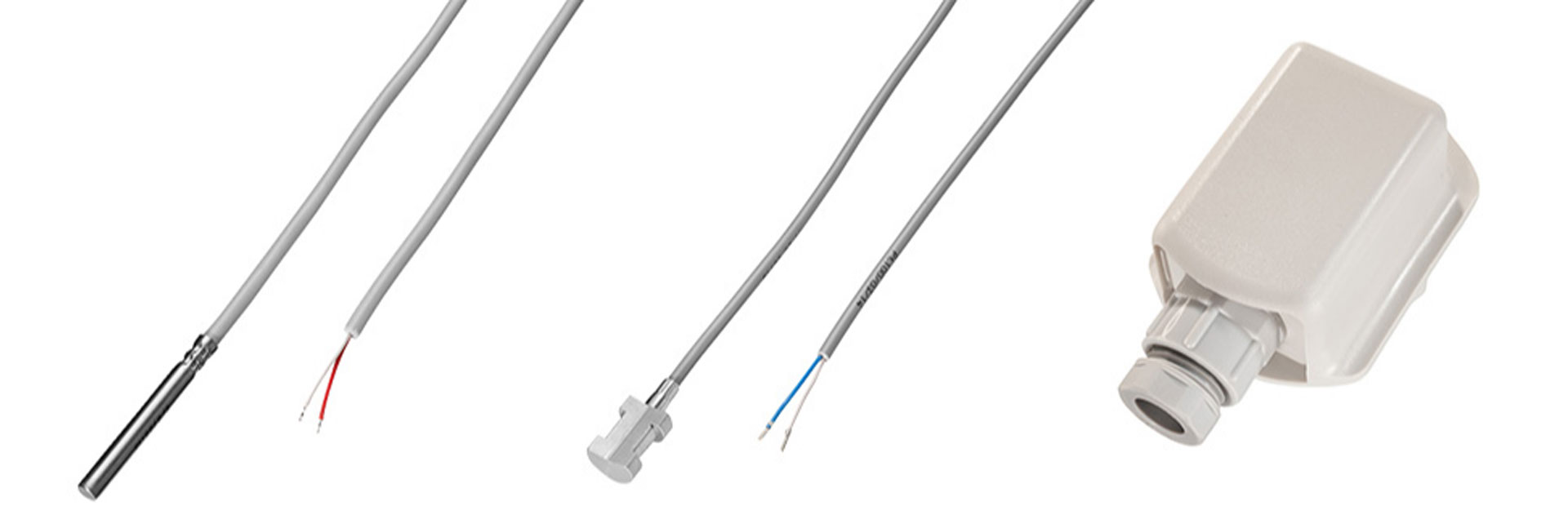
"One" pipe contact sensor - different pipe diameters B+B's pipe contact sensors with prismatic aluminum…

Bräunlingen/Donaueschingen. The city of Bräunlingen has entered into a new partnership with B+B Thermo-Technik GmbH,…
For years, the SPS has been one of the most important industry trade fairs in…
Newsletter registration
Stay up to date with us free of charge. Don't miss any more news, novelties or information with our free newsletter!


